How Are EV Motor Housings Manufactured From Raw Aluminium Ingot to Precision-Machined Finished Part?
Date : 2026-11-19Source: Syrontech
Pick up an electric motor and the first thing you see is its case. That shell quietly holds the stator true, carries coolant and protects everything inside. So, how are EV motor housings manufactured well enough to do all that? At Hubei Robot Technology, we machine precision parts for automotive, aerospace and medical customers, and we see the answer first-hand every day. Here is the process, start to finish.
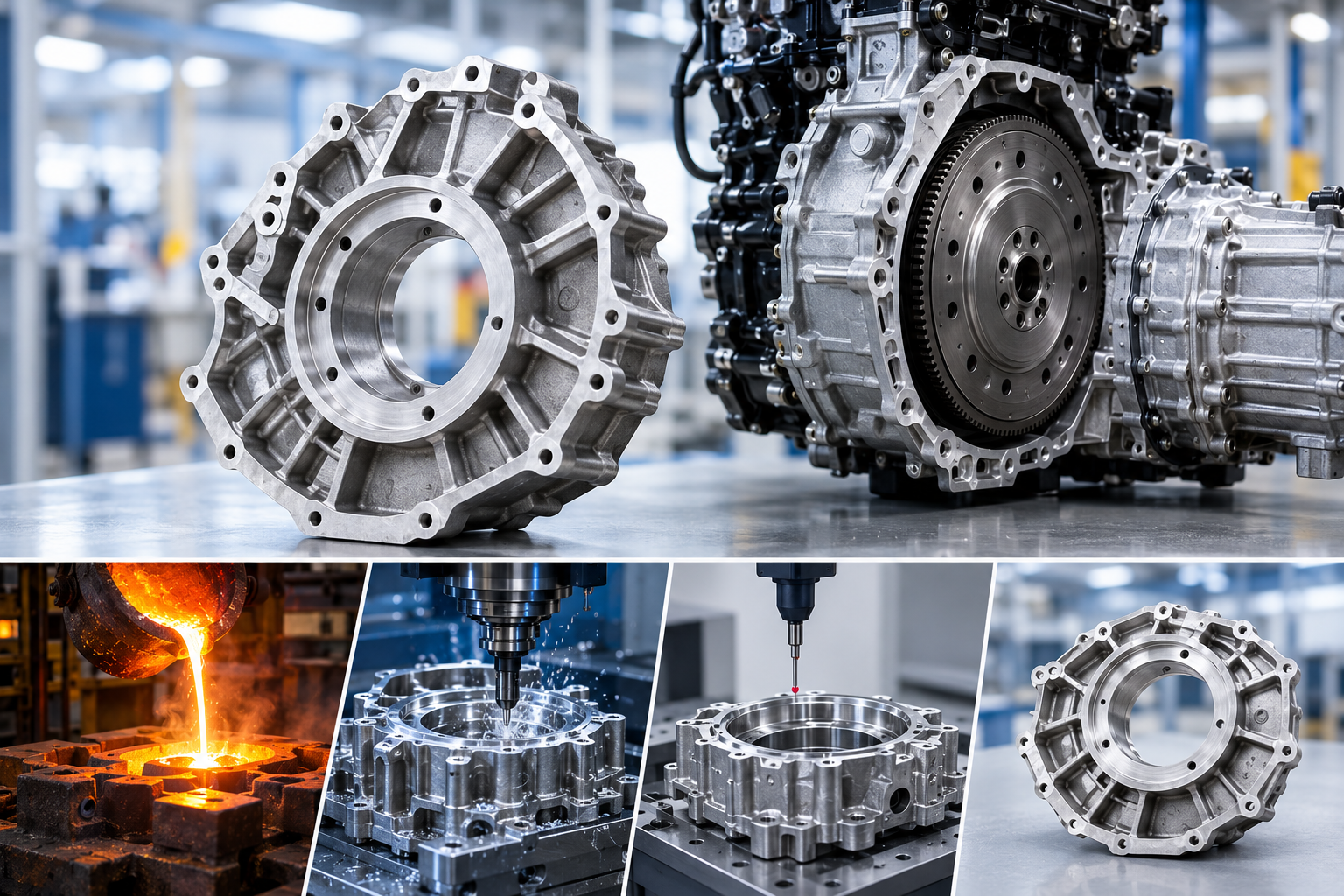
How Are EV Motor Housings Manufactured? A Plant-Floor Walkthrough
Think of it as a relay race with six runners:
Melting and cleaning the aluminium ingot
Casting the housing under high pressure
Trimming, deburring and heat treating
Machining the critical surfaces
Testing for leaks and accuracy
Cleaning, inspecting and packing
Drop the baton early and the last runner pays for it. That is why how are EV motor housings manufactured is worth asking before you place an order.
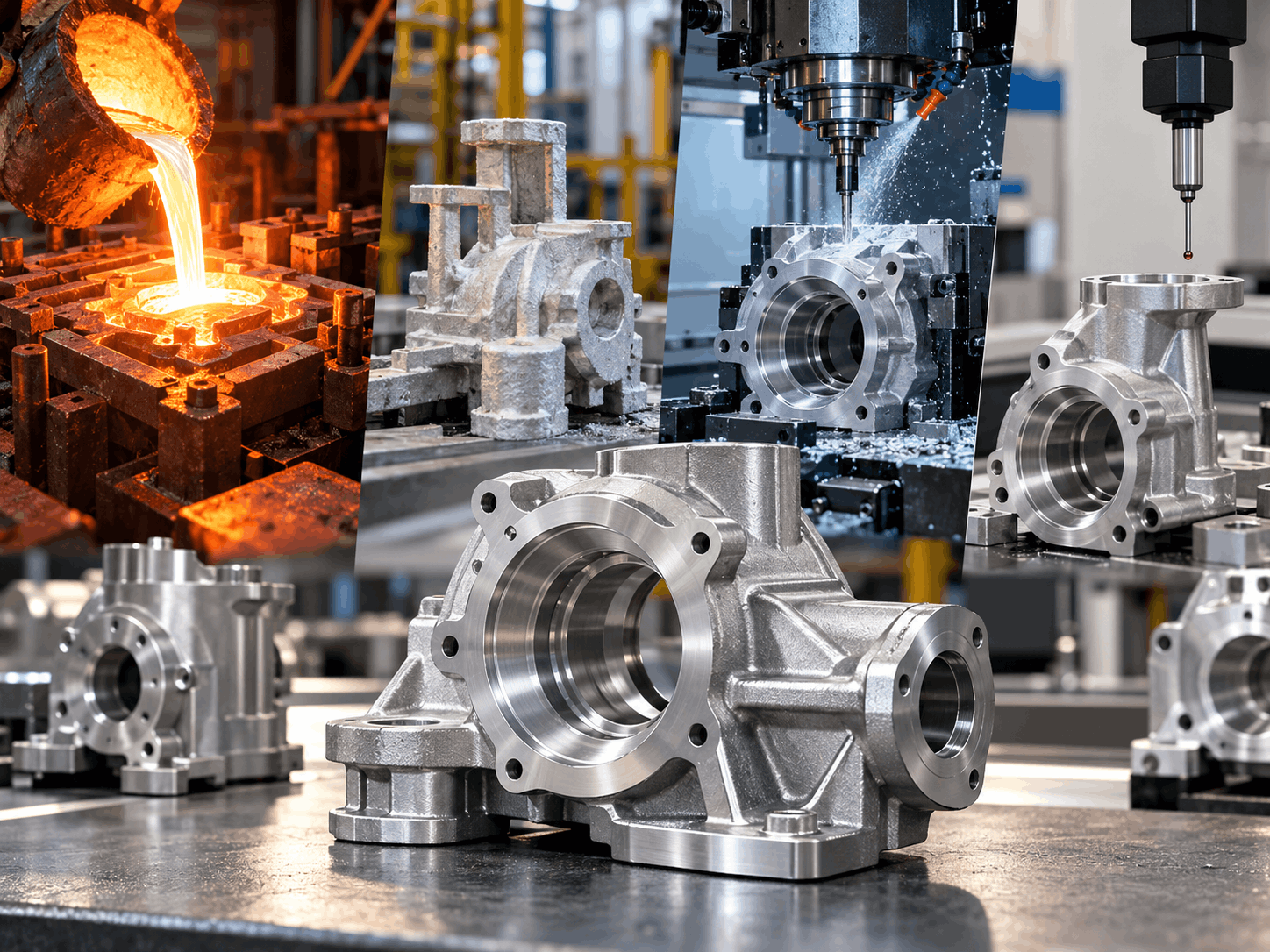
EV Aluminum Housing Casting: Where the Shape Is Born
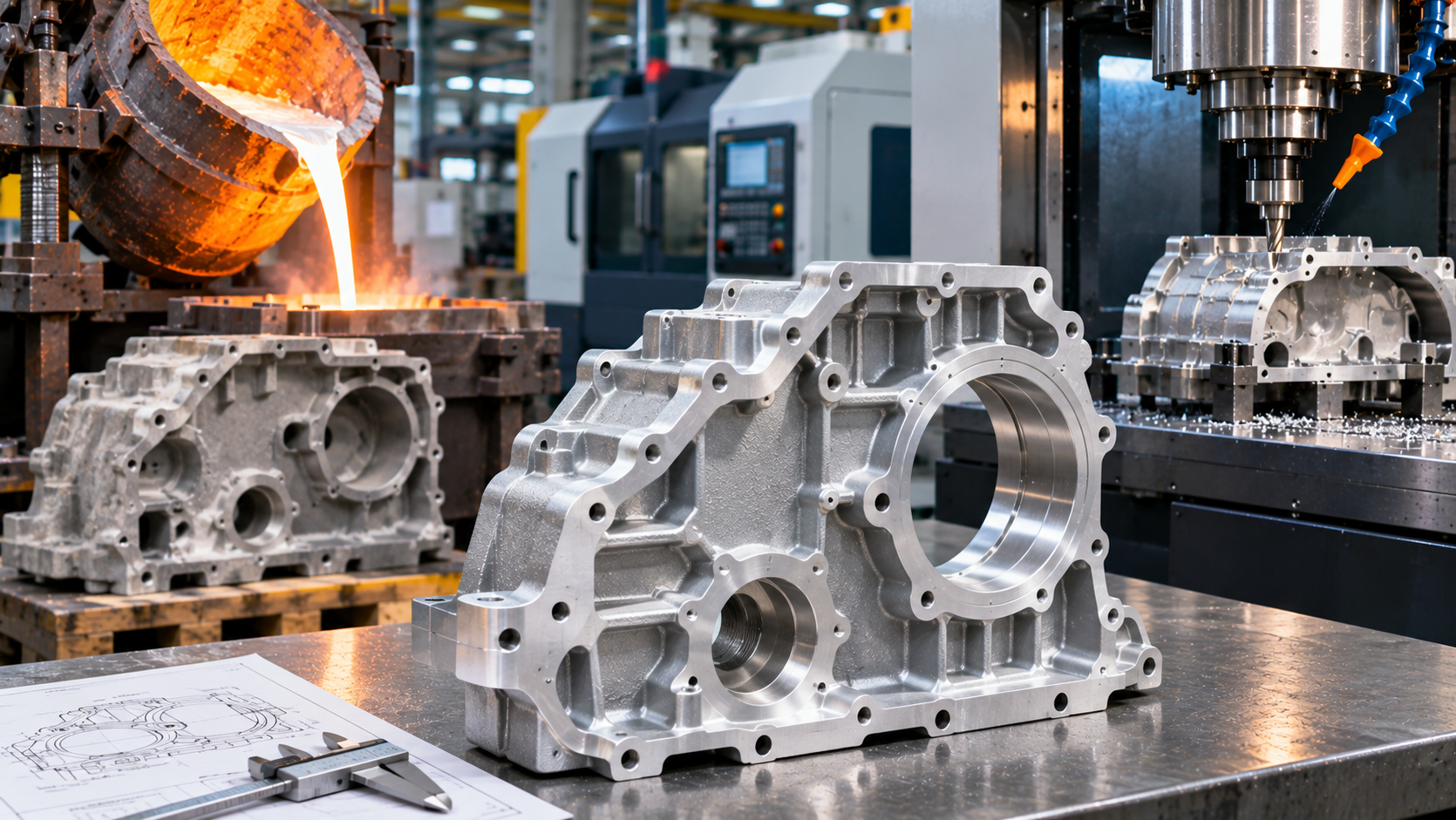
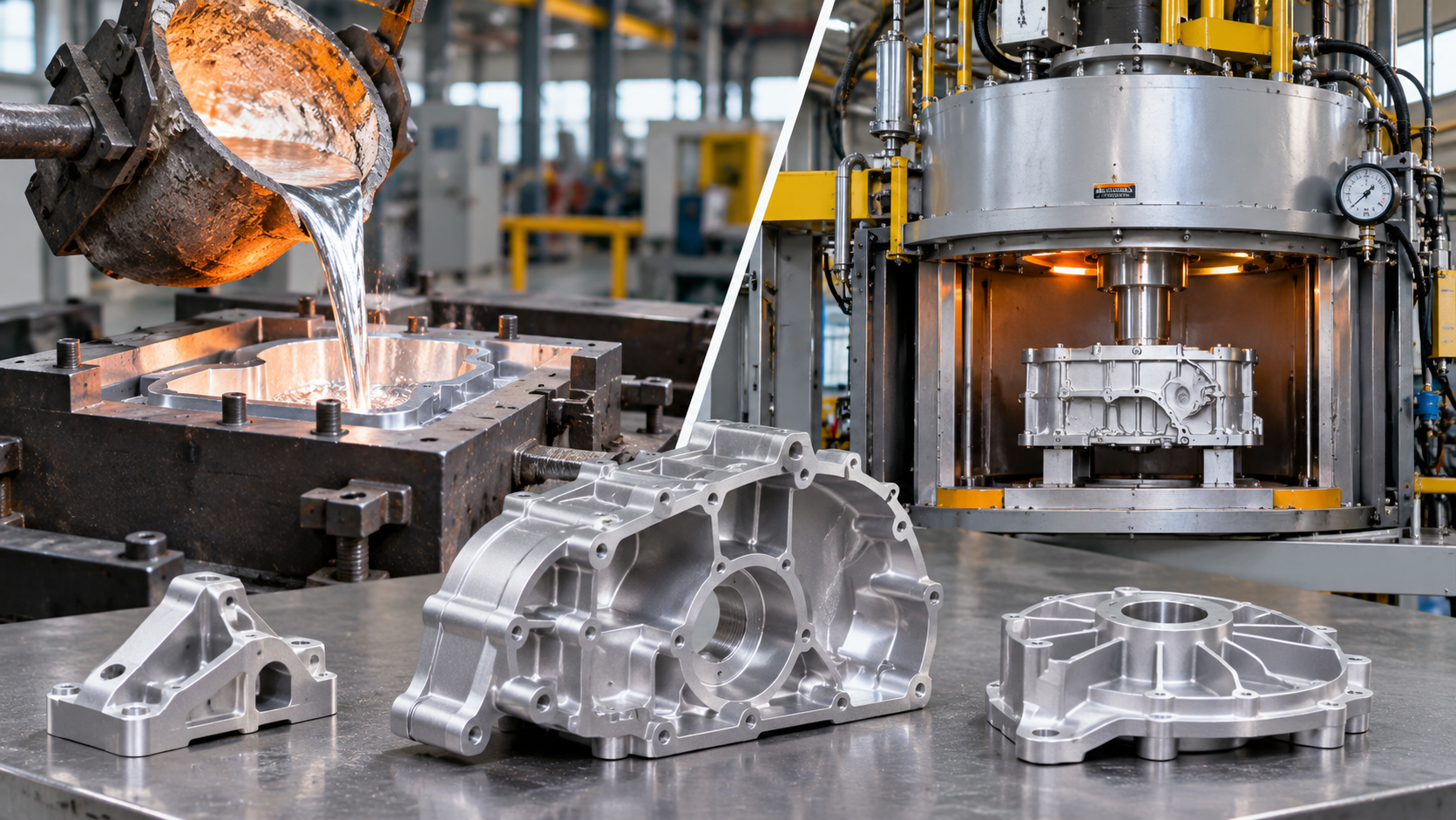
Everything begins with ingots. The metal is melted, degassed and injected into a steel die at speed. Within seconds, a near-final housing appears.
Good EV aluminum housing casting gives you:
Thin walls that keep weight down
Cooling passages formed in the part itself
Quick cycle times that hold costs steady
Even so, no casting leaves the die perfect. Some warping and surface roughness always remain, which is why machining follows.
Why Do Tiny Casting Defects Cause Such Big Headaches Later?
Porosity is the usual culprit. A small air pocket near a sealing face can turn into a coolant leak months after delivery.
Therefore, we inspect castings on arrival, before any cutting begins. Ask any machinist how are EV motor housings manufactured with fewer scrapped parts, and they will say the same thing: catch problems early, while they are cheap to fix.
Inside the Machine Shop: Boring, Facing and Grooving
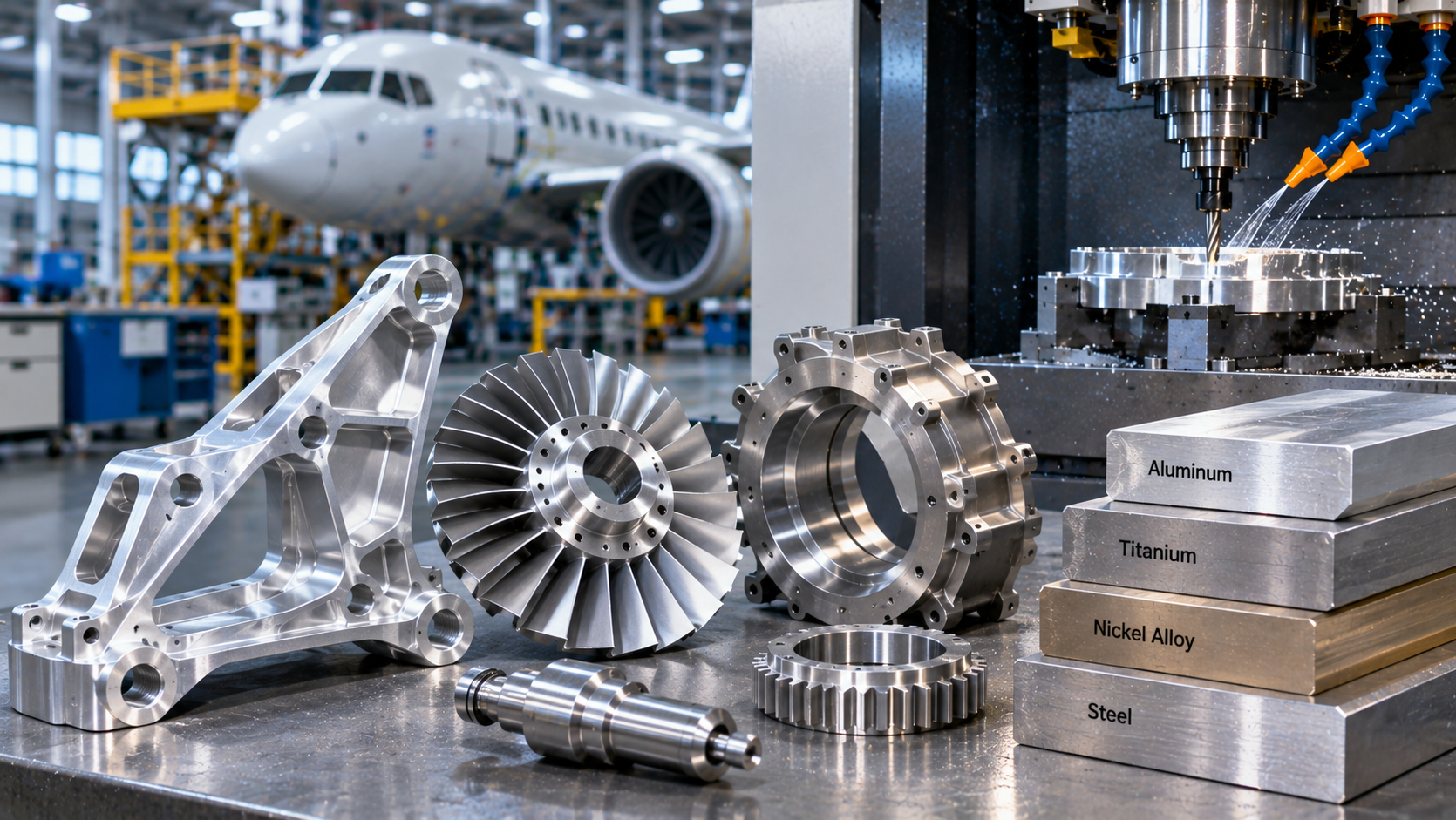
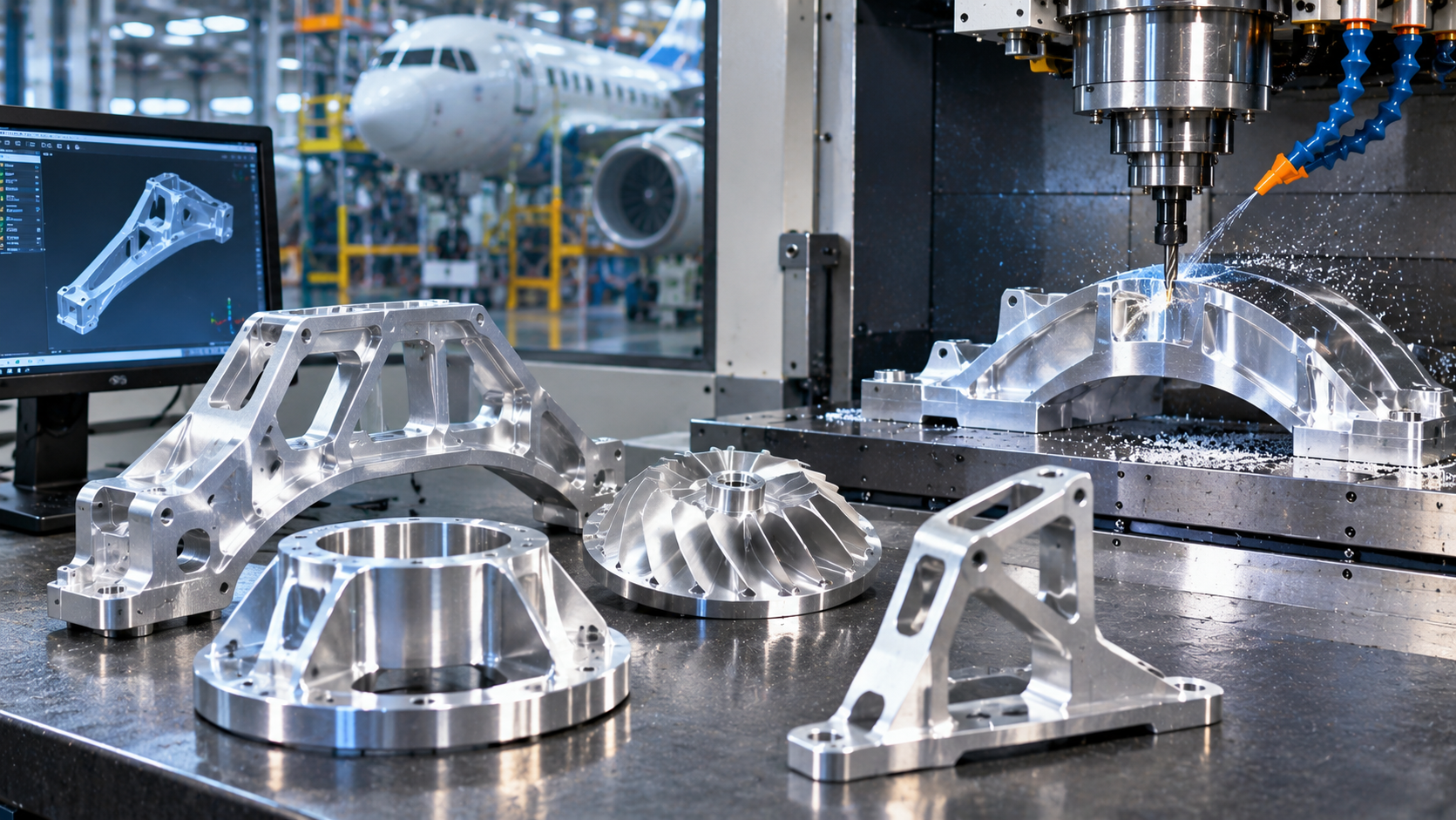
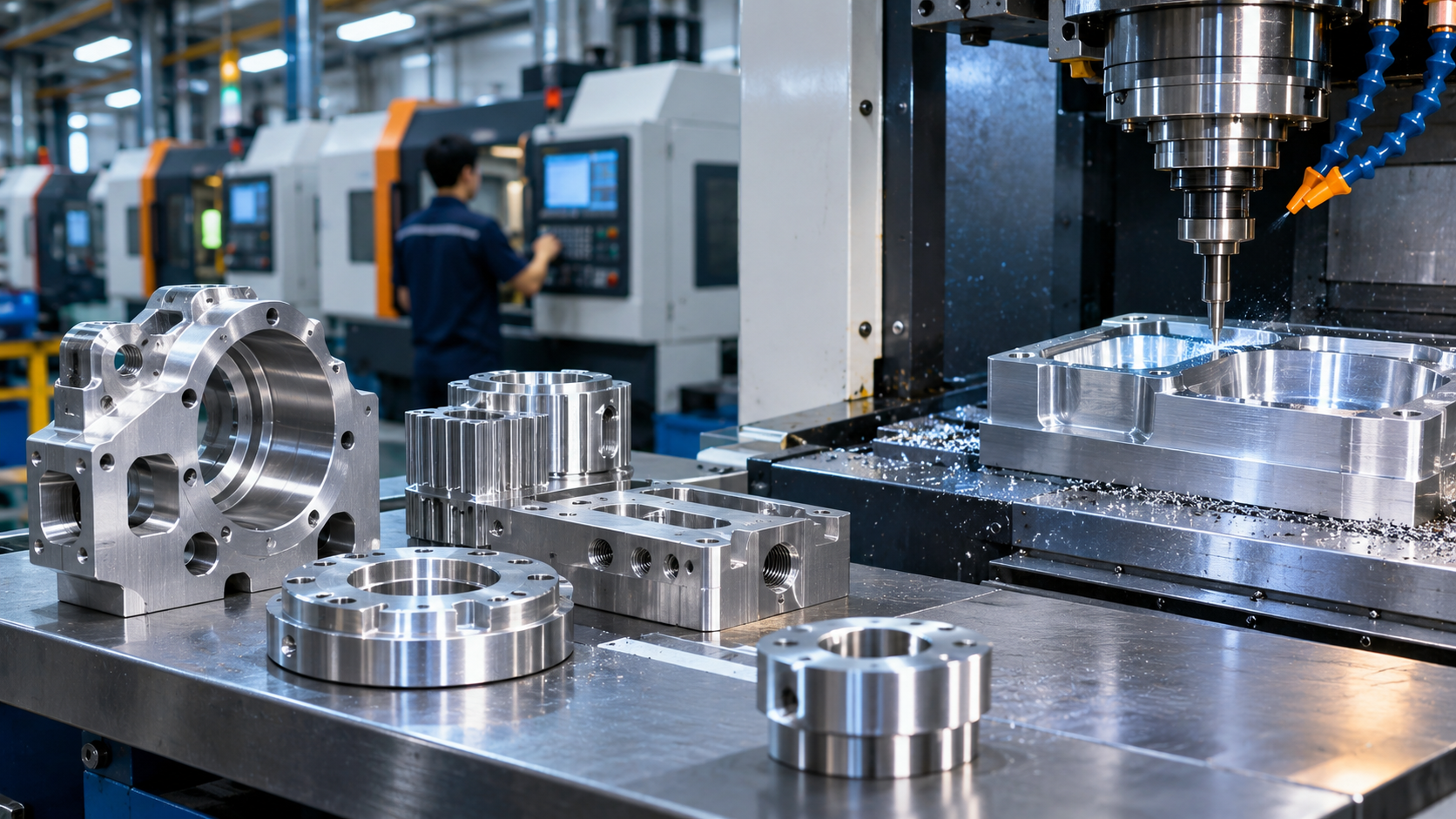
This is our home ground. We run over 100 CNC lathes, plus 3, 4 and 5-axis vertical and horizontal machining centres, with wire EDM for awkward profiles and tooling.
Typical jobs on a housing include:
Boring the stator seat to a tight roundness
Facing the end plates flat
Drilling and tapping mounting holes
Cutting O-ring grooves and coolant ports
A 5-axis machine can finish several faces in one clamping. As a result, features stay aligned with each other. Since EV aluminum housing casting output can vary slightly between batches, we tweak our programmes to suit each lot. That adaptability is a big part of how are EV motor housings manufactured to such fine tolerances.
The Final Gatekeepers: Leak Tests, CMM Checks and Cleanliness
Nothing leaves our floor unchecked. A housing carries coolant next to live electrics, so there is no room for guesswork.
CMM measurement of bores, flatness and position
Pressure decay testing for leaks
Visual and porosity inspection
Cleanliness checks before assembly
Our quality system logs results by batch, so any query can be traced quickly. The rigour we apply to aerospace and medical work carries straight over to vehicles, where safety is not negotiable. So how are EV motor housings manufactured to a leak-free standard? By testing every critical part, not hoping for the best.
Picking an EV Motor Housing Manufacturer Without Regrets
Carmakers rarely want a long chain of suppliers for one component. A single partner who handles prototypes, moulds, machining and assembly cuts delays and finger-pointing.
Before you sign, ask a prospective EV motor housing manufacturer about:
Machine capacity and axis range
Inspection tools and batch records
Experience with thin-walled aluminium
Realistic prototype lead times
Likewise, a reliable new energy vehicle parts manufacturer will welcome those questions rather than dodge them.
What Makes a NEV Die Casting Parts Supplier Worth Keeping?
Honest feedback, mostly. The best NEV die casting parts supplier tells you when a rib is too thin or a boss will be hard to machine, before the tool is cut.
Our R&D team helps here. Twenty per cent hold PhDs and thirty per cent hold Master's degrees, so complex design questions get properly reasoned answers. Working alongside a good new energy vehicle parts manufacturer, we can suggest small changes that make housings easier to cast, machine and inspect.
Short Runs, Big Runs: How We Keep Both Firmly on Schedule
Prototypes need speed. Volume orders need repeatability. We plan both around your drawings and delivery dates, with personalised support from the first sample onwards.
Because EV aluminum housing casting quality shapes the machining time, we feed back what we find on each batch. In turn, that keeps lead times predictable. Regardless of whether it is for customization or mass manufacturing, the process remains the same: meticulous, deliberate, and recorded.
FAQs:-
1.Why is aluminium used for motor housings? It is light and moves heat well, which helps range and cooling.
2.Can a housing be machined from solid billet? Yes, for prototypes. It costs more, so volume parts are usually cast.
3.How tight is the stator bore tolerance? Usually a few microns. Your drawing sets the exact figure.
4.Do you suggest design changes? Yes. We flag features that raise cost or risk before production starts.
Final Thoughts
So, what is the right process to manufacture EV motor housings? Through clean melting, casting, CNC machining, and testing. Omit any of those and the part is ruined altogether. Hubei Robot Technology uses state-of-the-art machinery, a team of experienced R&D professionals, and the customer-oriented approach to get everything right.